
Podcasting · · 5 min read
How to Prepare for a Podcast Interview (as Host or Guest)
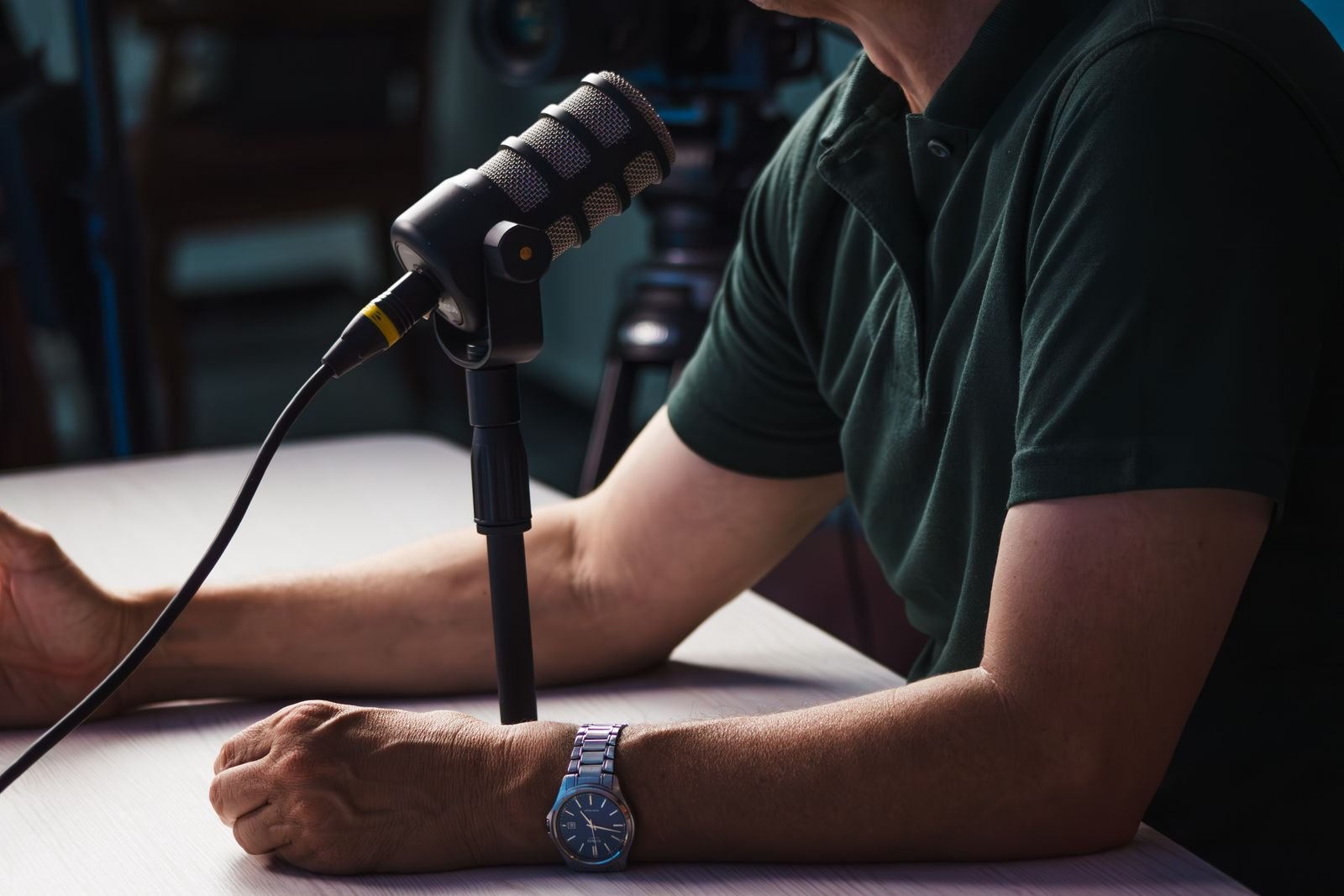
Knowing how to prepare for a podcast interview is what separates a conversation people finish from one they skip after five minutes. Whether you are the host asking the questions or the guest answering them, the preparation looks surprisingly similar. It comes down to research, curiosity and a few dull technical checks. This is the routine that suits one-on-one shows like our Back Stories interviews, which run about 30 minutes.
If you are the host: do the reading first
Spend an hour with your guest’s work before you write a single question. Read their blog, skim a talk, look at what they have built. You are not looking for trivia. You are looking for the thread that makes them interesting, the decision they made that others would not have, or the thing they changed their mind about.
Guests can tell within a minute whether you did the reading. When they can, they relax and give you better answers. When they can’t, you get the same polished summary they give everyone.
Write a loose list of questions, not a script
Aim for eight to ten questions for a 30-minute chat, and expect to use about half. Mix three kinds: background questions about how they got here, opinion questions about their field, and one or two personal ones that let their character show.
Avoid questions that can be answered with yes or no. “How did you decide to specialise?” gets a story. “Did you specialise?” gets one word. Put your strongest question in the middle, not first, because a conversation needs a few minutes to warm up.
Open with something easy
Nerves are normal, especially for guests who have not done many interviews. Begin with a question they can answer without thinking, such as what they are working on this week. Once they are talking comfortably, you can move to the harder material.
Tell them the plan before you record. Mention the length, that you can stop and redo anything, and that you will edit out mistakes. Those three sentences remove a surprising amount of pressure.
Listen more than you talk
The best interviewers are not the ones with the cleverest questions. They are the ones who follow up. When a guest says something unexpected, stay on it. “What do you mean by that?” and “Can you give me an example?” are two of the most useful sentences in the job.
Do not rush to fill silence. A short pause often makes a guest add the detail that becomes the best moment of the episode. Keep your notes visible but resist the urge to read from them.
If you are the guest: know your three points
Before you say yes, ask what the show is about, who listens and how long the recording will run. Then decide on the three things you would like listeners to remember. You will not list them out loud. Knowing them simply helps you steer answers back to something useful.
Have a couple of short stories ready. Specific examples, such as a project that went wrong or a client conversation that surprised you, are far more memorable than general advice. If you are unsure about a question, say so. A guest who thinks out loud is much better to listen to than one who gives a rehearsed answer.
Do a proper tech check
Whoever is hosting, agree the basics a day early. Use headphones so the guest’s voice does not leak into your microphone. Close everything that makes a sound, including notifications, and check your internet connection. If the recording is remote, record your own audio locally as a backup.
Sit a hand-span from the microphone and speak at a normal volume. Do a thirty-second test, play it back and fix anything odd before you begin. Fifteen minutes of preparation here saves an hour of editing later. If you need a hand choosing equipment, our podcast microphone guide covers the essentials.
Handling nerves and awkward moments
Something will go slightly wrong. A guest may ramble, a question may land badly, a dog may bark in the next room. None of it is fatal. If an answer wanders, thank them and gently rephrase the question. If you lose your place, say so and take a breath, because you can cut the pause afterwards. If a guest says something they regret, tell them you can remove it. Being relaxed about mistakes makes everyone else relaxed, and relaxed people give better interviews.
Some hosts find it helps to end every conversation with the same closing question, such as “What are you excited about next?” It gives guests a comfortable landing and gives you a natural way to wrap up on time.
After the recording: follow up
Send a thank-you within a day and let the guest know when the episode will go live. Once it is published, share the link and make it easy for them to share too. Write clear show notes with their name, links to their work and a short summary, because guests will often link to their own episode page from their website, which helps your reach.
Finally, listen back to yourself. Count how many times you interrupted, and note which follow-ups worked. Most hosts improve fastest by reviewing their own interviews. You can hear how different conversations flow in the episode archive, including Keir’s chat with Kurt Elster, which ranges from naming a company to productised consulting.