
Podcasting · · 4 min read
How to Start a Podcast About the Web Industry
If you want to start a podcast, the hard part is rarely the technology. It is the gap between “that would be fun” and actually pressing record. This guide walks through the steps in the order you will meet them, borrowing the habits that web shows like The Back to Front Show rely on: keep the setup simple, stay consistent, and talk about things you genuinely care about.
Pick a topic you can talk about for a year
Most podcasts stop because the host runs out of enthusiasm, not because they run out of budget. So choose a topic that still interests you in week five. A narrow angle beats a broad one. “Web development” is enormous, while “what agencies get wrong when they redesign a site” is a show.
Write down twenty episode ideas before you buy anything. If you struggle to reach ten, the topic may be too thin. If you hit forty without trying, you have found something. Then decide who the show is for. A developer, a designer and a client all want different things from a conversation about the web, and trying to serve everyone usually serves no one.
Choose a format that fits your life
There are three common formats: solo, co-hosted and interview. The Back to Front Show is two hosts chatting for 40 to 50 minutes, while its Back Stories series is one-on-one interviews of around 30 minutes. Both work, but they ask different things of you.
Co-hosted shows are easier to keep lively, though they need two calendars to line up. Interviews bring fresh voices, but you have to book guests and do the research. Solo shows give you complete control and complete responsibility for filling the time. Pick one format for your first ten episodes. You can always add a second later, the way established shows launch a spin-off series.
Get simple gear, not perfect gear
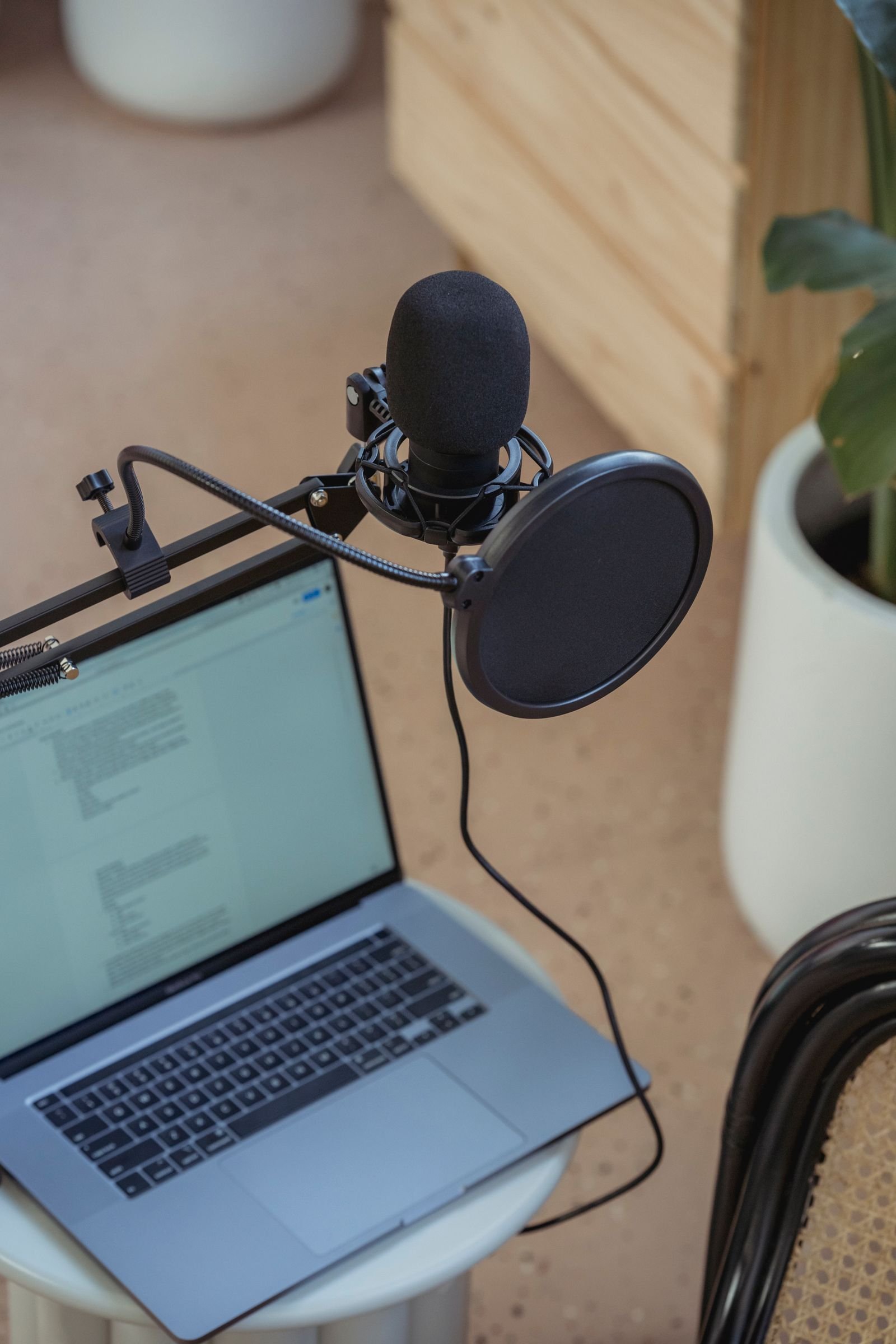
You need a decent microphone, a pair of headphones and a quiet room. That really is the whole list. A USB microphone is the least stressful place to begin, and we go through the trade-offs in our podcast microphone guide.
Record somewhere with soft surfaces: curtains, rugs, a sofa. Bare kitchens and bathrooms echo badly. Before the real recording, make a two-minute test, listen back on headphones and fix whatever bothers you, whether that is a humming fridge or a noisy fan. If your co-host is remote, ask each person to record their own audio locally where possible, because call audio gets worse every time the connection wobbles.
Plan an episode without scripting it
Scripts make most people sound stiff. An outline works better: an opening line, three or four talking points and a rough way to finish. Put the most interesting point near the start, not the end, because listeners decide quickly whether to stay.
Jot down two or three questions you are genuinely curious about. When a tangent appears, follow it for a minute. Some of the best moments in unscripted shows arrive off-plan. Just make sure you know the road back to your outline.
Record, edit and keep the editing light
Hit record and keep talking when you stumble. You can cut it later. Editing has one job, which is to remove distractions. Trim long silences, cut false starts, smooth out big volume jumps and add a short intro and outro. Free tools such as Audacity can handle all of it.
Resist the urge to over-polish. A clean, honest 40 minutes beats a heavily produced episode that took eight hours to build and left you exhausted by episode four.
Publish where people can find you
You need an audio host that produces an RSS feed, which is how podcast apps discover new episodes, and you need a website. The website matters more than beginners expect. Each episode deserves its own page with a clear title, a written summary and a player, so search engines have something to read.
Our guides on podcast SEO and show notes go deeper on this. For now, remember three basics: write a plain-English title, write a proper description, and use artwork that stays readable at thumbnail size.
Build a schedule you can keep
Consistency beats frequency. A show that publishes every other week for a year does better than one that publishes daily for a month and then disappears. Batch record when you can, keep an episode or two in the bank, and give yourself permission to skip a week openly instead of vanishing quietly. Tell listeners what to expect, then deliver it.
Start before you feel ready
Your first episodes will not be your best, and that is completely normal. Go back to the early recordings of any long-running show and you will hear the same hesitation. The only way to find your voice is to use it. Record episode one, publish it and learn from it.
If you would like to hear what a finished conversation sounds like, browse the episode archive and make notes on what you would copy and what you would change. That kind of active listening teaches more than any checklist.